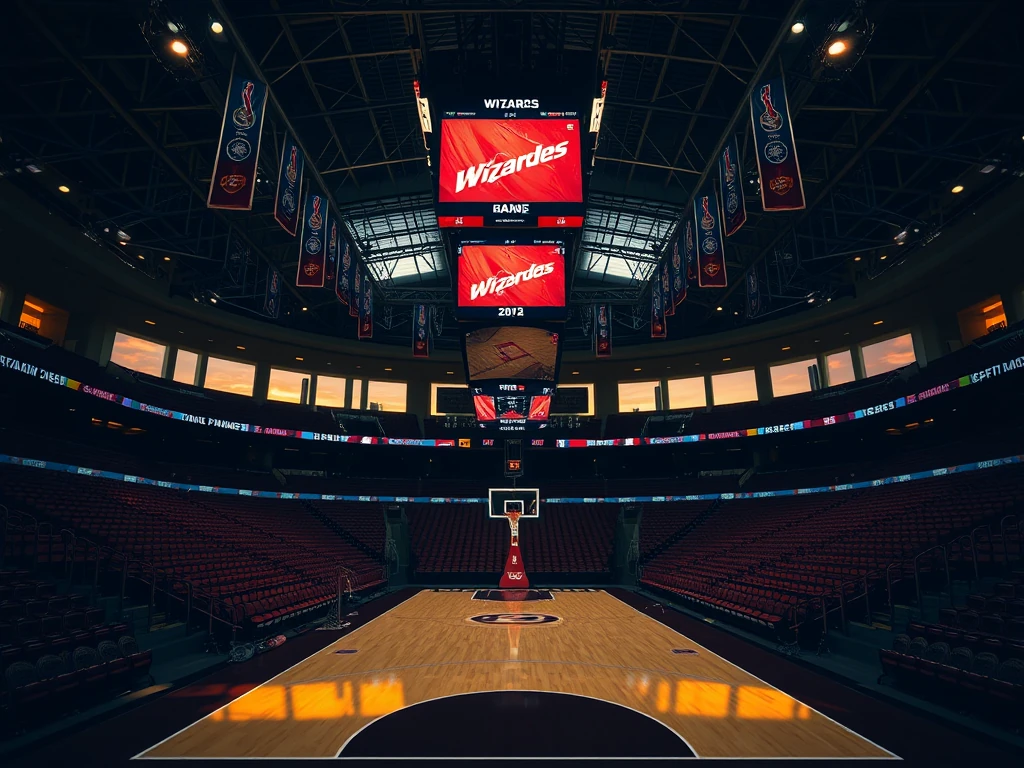

The 2005 NBA playoffs were a watershed moment for the Washington Wizards, encapsulating a season of resurgence and hope for a franchise that had faced its share of challenges. After years of mediocrity, the Wizards had assembled a potent roster led by the electrifying guard Gilbert Arenas, versatile forward Antawn Jamison, and the tenacious Caron Butler. This trio, often referred to as the 'Big Three', not only brought a refreshing energy to the Capital One Arena but also delivered a brand of basketball that reignited the passion of Wizards fans.
As the regular season came to a close, the Wizards finished with a commendable 45-37 record, earning the fifth seed in the Eastern Conference. Their postseason journey began with a first-round matchup against the Chicago Bulls, a team they had faced in previous seasons but never quite conquered. The Wizards entered the series with an air of confidence, buoyed by their star-studded lineup and the home-court advantage that Capital One Arena provided.
Game 1 was a thrilling affair, showcasing the offensive firepower of the Wizards. Arenas, known for his clutch scoring, dropped 30 points, while Butler and Jamison combined for 50 more. The trio's ability to stretch the floor and score from both the perimeter and the paint put immense pressure on the Bulls' defense, which struggled to contain their offensive onslaught. The Wizards took the first game convincingly, setting the tone for the series.
However, the Bulls responded with grit and determination. In Game 2, the Wizards faced a much tougher opponent, as Chicago's defense tightened, limiting Arenas' effectiveness. The Bulls managed to steal Game 2 on the road, forcing the series back to Chicago tied at one game apiece. The Wizards knew they had to dig deep to regain control of the series.
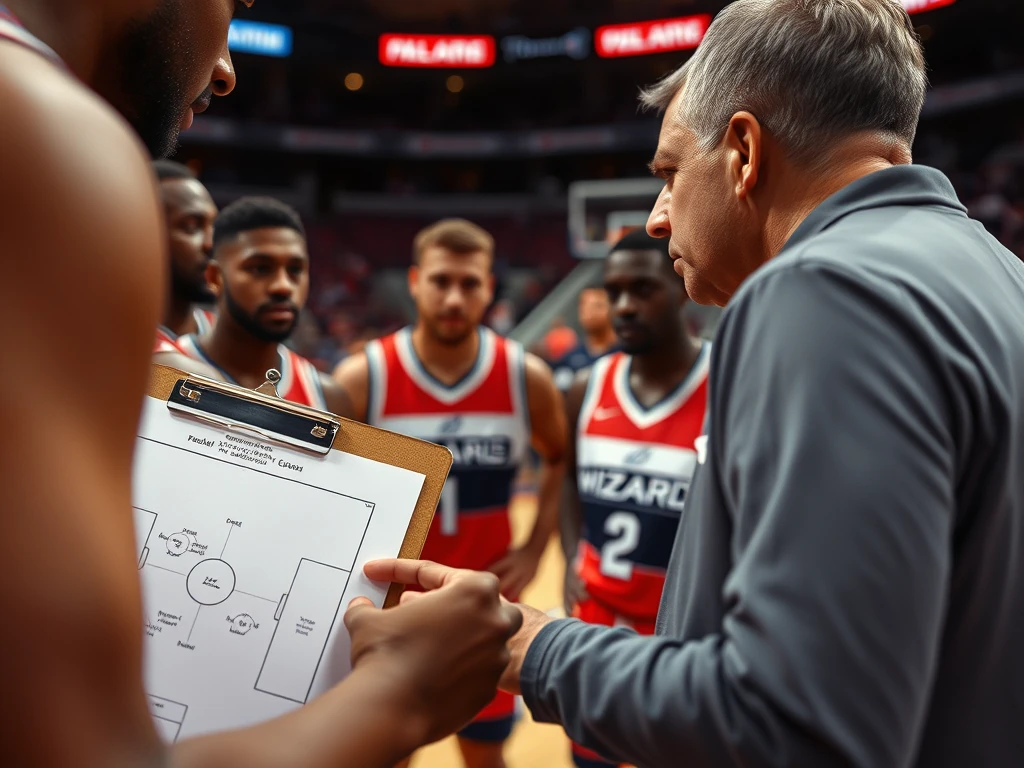
Returning to the Capital One Arena for Game 3, the Wizards fed off the energy of their home crowd. They showcased their ability to adapt, as head coach Eddie Jordan utilized a mix of pick and roll strategies and isolation plays to exploit mismatches. Arenas once again rose to the occasion, scoring a playoff career-high of 44 points, leading the Wizards to a crucial victory. The synergy between Arenas, Jamison, and Butler was palpable; their chemistry on the floor was a sight to behold, as they seamlessly passed the ball, creating open shots and driving lanes.
The Wizards took a commanding 3-1 series lead after a hard-fought Game 4, which demonstrated their resilience and mental toughness. With Arenas averaging over 30 points per game during the series, the Wizards seemed poised to advance to the next round. Yet, in a dramatic turn of events, the Bulls clawed back, winning Games 5 and 6, forcing a decisive Game 7 back in Washington.
Game 7 was a microcosm of the entire series: intense, back-and-forth, and filled with highlight-reel plays. The Wizards' defense, led by Butler’s relentless pressure, was crucial in stifling the Bulls' offensive efforts. The game came down to the wire, with the Wizards holding a slight lead in the final minutes. Arenas, showcasing his clutch gene, hit a series of critical free throws to seal the victory. The Wizards advanced to the second round, marking their first playoff series victory since 1982.
The 2005 playoff run not only reinvigorated the Wizards' franchise but also solidified the legacy of the Big Three. Their ability to perform under pressure and elevate the franchise to new heights created a lasting impact on the organization and its fanbase. The excitement of that playoff series served as a reminder of what Wizards basketball could achieve, setting the stage for future aspirations in the years to come.